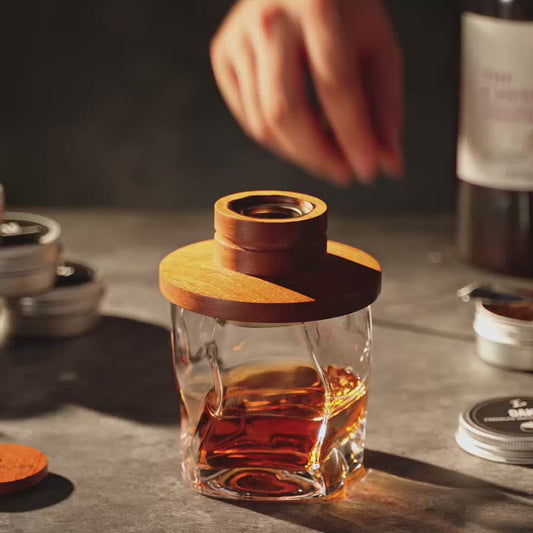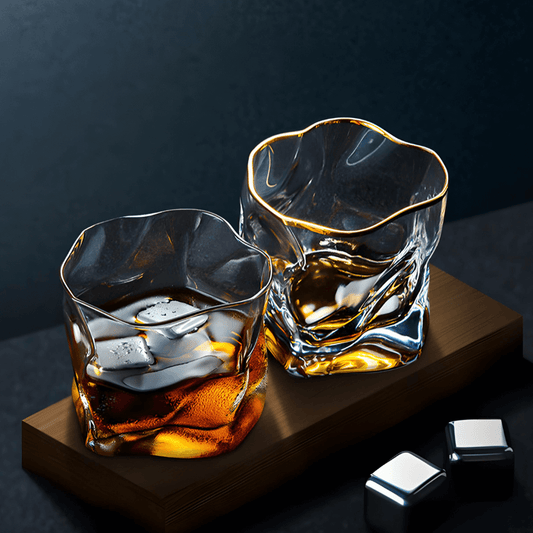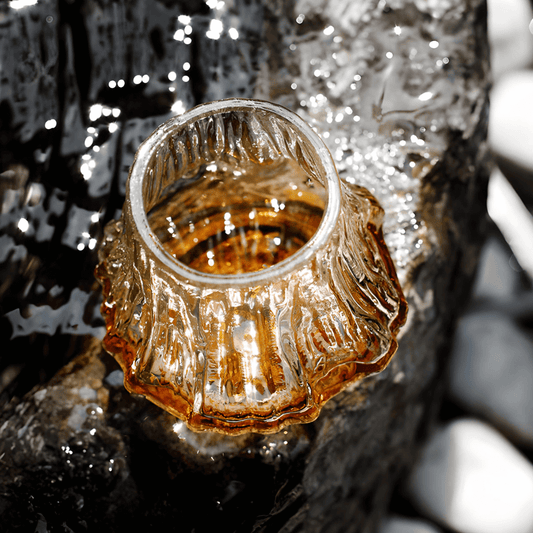


Pouring a glass of whisky at home is a ritual for some of us. That quiet moment, maybe after dinner or when everything else has finally slowed down, feels like the right time to appreciate the small things. But as regular as that evening pour might be, we don’t always stop to think about the glass we're holding.
Tasting glasses might seem like something reserved for experts or collectors, not your typical night at home. Still, during seasons like late winter, when everything softens, and stillness has a place, we start noticing the details a little more. The shape of the glass, the way it captures scent, and how it feels in the hand can all shift the experience. So if you've been wondering whether tasting glasses whisky lovers talk about are worth trying in your own space, we’ll look at what they change and when they actually make a difference.
Why the Shape of the Glass Matters
Whisky glasses come in all sorts of shapes, but not all of them are built with flavor in mind. Tasting glasses are. Their shape plays a big part in how the drink smells, tastes, and even how it moves in the glass.
• The narrow opening helps trap the aroma inside, focusing it toward the nose instead of letting it fade too quickly.
• The wider bottom gives the whisky more air so it can open up and breathe without spilling when gently swirled.
• Holding the glass by the stem or base keeps your hands from warming the liquid too fast, maintaining the flavor's natural change over time.
With this shape, light swirling happens almost without thought. The scent doesn’t disappear with the first whiff. It hangs there, waiting. That extra pause can feel like part of the ritual once it becomes familiar.
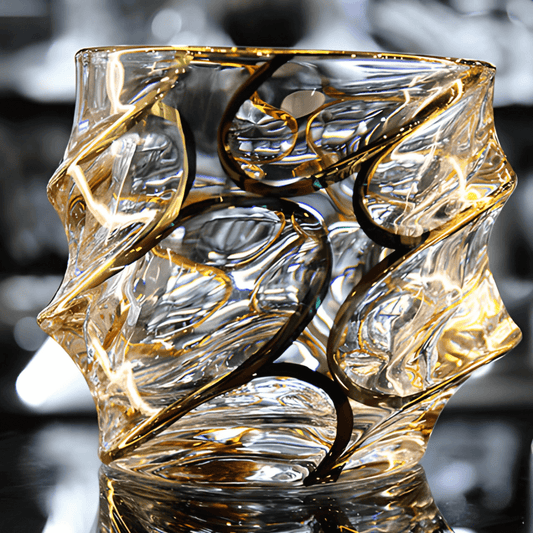
• TsukiGlass tasting glasses are hand-cut from lead-free crystal, using techniques from the Edo Kiriko and Kagami Kiriko traditions, which highlight the clarity and shine of Japanese crystal.
What You Notice When Using Tasting Glasses
Once you start paying attention, the shift is hard to miss. Whisky served in a tasting glass carries more weight in the nose and on the tongue. That doesn’t mean it tastes stronger; it just offers more range.
• The scent might show more layers. Fruits, oak, spice, or smoke can feel easier to spot.
• Taste becomes smoother, especially over longer sips. Some sharpness softens, and balance becomes easier to pick up.
• Cold nights add to that feeling. When it’s quiet, and your senses aren’t racing, you notice small things that usually slip by.
Winter has a way of slowing everything else down, too. So when the air is cold, and your hands are warm, the outside of a glass, having the right shape draws your focus in. It tilts the experience toward simplicity, not because tasting glasses are complicated, but because they leave less in the way of the drink itself.
When You Might Reach for a Regular Glass Instead
That doesn’t mean tasting glasses are always the right move. Sometimes, all you want is a quick pour in a sturdy tumbler. Not every drink calls for a focused moment.
• Mixed drinks or casual pours during a conversation don’t always need scent or texture to be front and center.
• Some people feel like tasting glasses shift the mood too much, toward something slower than they want that evening.
• If you’re having something sweet or strong and not trying to pick apart the notes, any solid glass will do the job.
Routine matters too. If your habits are more relaxed or you’re used to grabbing a glass without thinking, switching styles might feel like extra effort. And that’s okay. Drinks can mean different things on different nights.
How to Start Using Tasting Glasses at Home
Trying tasting glasses doesn’t mean changing everything about how or when you enjoy whisky. It just means adding a new option to your shelf.
• Start with just one or two glasses. That’s enough to shift the tone without crowding your cabinet.
• Pull them out when you’re trying a bottle for the first time or when the room is quiet, and you want to pay closer attention.
• Rinse and dry them gently between uses and store them where they won’t get bumped or scratched.
This isn’t about having a collection. It’s about recognizing the moments when the shape and feel of the glass can point your attention in a better direction. Tasting glasses don’t make whisky fancier; they nudge the experience a little closer to where you want it.
A Little Change That Makes the Sip Feel Better
Using tasting glasses isn’t a rule, but it can change the way a drink settles into an evening. The scent holds longer. The texture flows differently. And on still nights in winter, those little shifts seem to matter more.
Whether it's the first pour of the week or something you only do now and then, having the right glass nearby adds a sense of intention without making it feel formal. It’s a small change, but one that often turns a quick drink into a fuller moment. Sometimes, the glass really does make all the difference.
Noticing More Than Just the Drink
Exploring how your glass shapes the whisky experience can reveal remarkable differences, especially during the slower pace of late winter, when subtle changes are easier to notice, like lingering scents or the way flavors unfold with a thoughtful pour.
Adding just one or two well-crafted tasting glasses that whisky collectors appreciate can add something special to any moment without requiring a full commitment. At TsukiGlass, we believe the right glass enhances more than just the drink; it enriches the entire moment. Have questions or need help choosing the perfect glass? Reach out to us anytime.