

There’s something steady and calming about holding a well-made glass. It feels just right in your hand, especially when it has a bit of history behind it. That’s why glassware from Japan continues to stand out. It blends careful tradition with clean, modern design and lends itself to quiet moments that wake up your senses.
With early spring coming in, it’s a good time to look at the everyday things we surround ourselves with. Lighter evenings and a shift in routines can make us pause and notice the details again. A handmade glass set on the table or shelf feels like part of that season too. Not just because it's beautiful, but because it holds a kind of history that adds weight without being loud.
How Japanese Glassmaking Began
Glassmaking in Japan didn’t start as early as ceramics or metalwork, but once it arrived, it grew its own strong roots. The craft began to take shape around the 16th century, when basic glass items started showing up through trade. At first, it was mostly practical, used for lenses, medicine containers, and beads, but slowly, the beauty of the glass itself became just as important.
Local culture had a huge influence on the way it grew. Instead of rushing to copy imported shapes or styles, Japanese makers softened the designs. Borders and lines became more delicate, and the glass reflected natural forms, like flowing water or petals caught mid-fall.
Tools were simple in the beginning. Makers worked by heating glass over open flames and forming it by hand or using wooden molds. Styles were passed down in small groups, from teacher to student, not wide factories or mass production. That made each style a little different, tied to the maker and the place they lived.
What Makes Japanese Glassware Unique
When we look at Japanese glassware today, small details set it apart. It’s not just about looks, it’s about how those lines and curves feel, too.
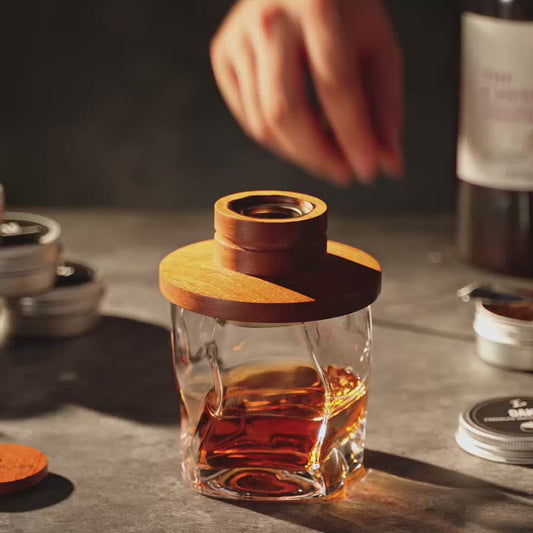
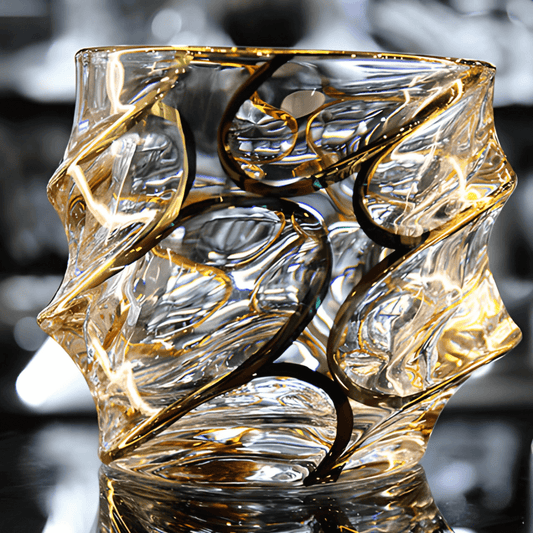
• Shape is one of the first things you notice. Japanese glasses often have gentle curves or soft ridges that guide the way you hold them. The glass might taper at the rim to catch aroma or widen near the base to sit heavier in the hand.
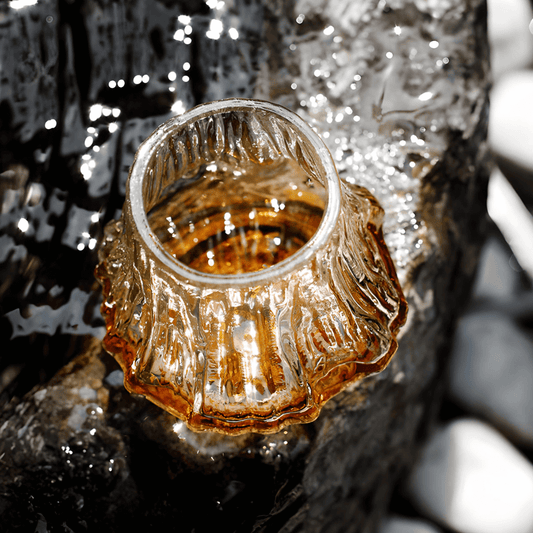
• Texture plays a quiet role. Some are polished so smooth they reflect light in layers. Others are cut or etched to add grip, pattern, or a bit of shadow. Every finish has a reason, even if it’s subtle.
• Craft methods still vary by region. Some areas stretch and blow glass into shape. Others carve cold glass by hand or press it into wood molds. Whether it's from northern workshops or southern coastlines, each piece reflects the techniques of its hometown.
All of these things together create a glass that feels full of intention. Even something as small as a cup for cold tea or whisky carries the work of many hands.
• TsukiGlass uses centuries-old Edo Kiriko and Kagami Kiriko cutting styles on its Japanese crystal whisky glasses, which create detailed patterns and a clear, reflective finish.
• Each TsukiGlass glass is individually handcrafted using lead-free crystal, blending traditional Japanese technique with modern durability and clarity.
Bringing Traditional Craft into Modern Life
It’s easy to think of handcrafted glass as something you’d only use on special days. But in many homes, these pieces are part of regular life. That’s where old and new come together in a quiet but steady way.
We’ve seen how classic shapes from decades ago now sit easily alongside modern tableware. A glass may have a traditional cut pattern, but its weight, thickness, or rim feel made for today. Some people set them out for guests, but others keep them close by for everyday moments, whether it's a slow drink after dinner or a single flower kept near the window.
What makes glassware from Japan stand out is how it doesn't get lost or feel out of place. Even in simple routines, it fits. It turns regular habits into something worth noticing.
The Role of Season and Setting
In Japan, spring is more than just a shift in weather. It changes the way meals are served and how rooms are arranged. Everything becomes lighter, food, textures, mood. Home items reflect that change too.
Drinks that are rich and warming in winter are often replaced by lighter pours in smaller glasses. Some homes bring out translucent cups that catch the soft morning sun or use thinner glassware in the afternoons as air warms up. The season shapes the tools, not just what’s inside them.
• A chilled glass feels right when spring winds down the day.
• A soft-colored cut makes water look clearer, or tea look deeper.
• A light cup can make a simple moment feel full and balanced.
We recognize that feeling in how the glass sits on a table or warms in your hand. Every part ties to the setting, the time, the season, the care taken in how we prepare for it.
A Quiet Strength That Carries Forward
Some handmade objects don’t need to say much to leave a mark. That’s how glassware from Japan feels. Calm, useful, and made with care that shows in the small things. Lines that are just slightly uneven. The way light bends along an edge. A shape that invites you to slow down and stay in the moment.
As more people try to live with intention, handmade glass speaks softly in return. It’s not meant to stand at the center, but it helps anchor the space around it. This spring, as brighter days come back and the pace shifts, it's worth holding onto things that feel steady, quiet, and made to last.
At TsukiGlass, we believe that a well-made object carries more than just style, it carries intention and care. That’s why we continue to craft pieces that reflect the quiet strength and time-honored tradition behind glassware from Japan. Each item we offer invites you to slow down for a moment and enjoy the balance it brings to the everyday. Whether you're setting a table for guests or creating a quiet moment for yourself, we're here to help you find something that fits. Have questions? Please contact us.