

Patterns in glass might seem purely decorative at first glance, but there’s usually a deeper story. Some designs have been shaped over centuries, passed down from artist to artist, changing little but saying a lot. One pattern that carries this quiet strength is the Japanese Hoshi.
The word “Hoshi” means “star” in Japanese. This design appears in many forms, but it always reflects ideas that go beyond surface beauty, like balance, simplicity, and care. It shows up in glass, but it started somewhere else, and that part of the story is just as exciting as how it looks today.
What Is the Japanese Hoshi Pattern?
Hoshi means “star,” and the pattern takes that literally. You’ll often see small star shapes, sometimes made with lines that crisscross or tiny cuts that sparkle in the light. There’s a sense of careful order to it, and the shapes feel calm and still, never rushed or busy.
- It shows up in traditional Japanese art like paper prints, fabric designs, or hand-carved wood
- The pattern is usually symmetrical, which gives it a peaceful, settled look
- It feels fresh but grounded, something that draws from nature, especially the night sky
People are often drawn to it without realizing why. The sharp points and perfect spacing create a rhythm that’s easy on the eyes. It’s neat, but not stiff. And for something with so many corners, it has a way of feeling soft, even quiet. When looking at a Hoshi pattern, there is an immediate sense of harmony and order, which comes from centuries of careful repetition in Japanese design. The pattern’s symmetry is not just about looks, but about promoting a feeling of comfort, one that encourages the mind to wander or simply rest.
Even on objects used every day, these star shapes offer a gentle reminder of the peace and simplicity people hope to bring into their homes. The soft sparkle of the pattern is especially noticeable as daylight shifts in the spring, when light changes and dances through windowed rooms. This subtle shine and calm rhythm help make any setting feel just a bit more grounded and welcoming during the season.
Where the Pattern Came From
The Japanese Hoshi pattern comes out of centuries of careful design. Long before it was cut into crystal, it was woven into fabric, folded into paper, or carved by hand. Artists working in different materials would often use geometric forms to show ideas that were important in Japanese culture, like harmony, simplicity, or quiet strength.
- Woodworkers used these star-style patterns in lattices and furniture screens
- Craftspeople pressed them into cloth for traditional robes or home pieces
- Paper artists folded stars and used these shapes to teach focus and balance
Even everyday items might carry these patterns, not for decoration alone, but to show care in the way something was made. That tradition wasn’t loud. It was slow, steady, and passed down by watching and repeating. It’s still that way today.
Storytelling and the sharing of designs happened naturally from one generation to another. In a sense, each new pattern found in a home held a bit of this quiet teaching inside it. Looking at a Hoshi star in a handcrafted item links people back to the patient work of those before them, to a style that values doing things without rushing and making beauty last through the smallest details.
As years passed, the Hoshi pattern evolved along with Japanese lifestyles. It shifted from large crafted pieces to more subtle and personal objects. Yet, no matter how styles might change, the underlying sense of balance and attention to design continued through every season. Spring, especially, lets these patterns come alive, soft light makes the stars stand out in subtle ways, brightening home spaces and reminding owners of slow, meaningful traditions.
How Glassmakers Brought It into Crystal Work
As glassmaking tools became more advanced, artisans saw a chance to bring these older patterns into new materials. The sharp points and strong lines of the Hoshi shape worked well with glass, especially when cut or polished with care. Over time, this traditional star design found a place in crystal whisky glasses, where it now adds both texture and history to the surface.
- Cutting tools make crisp lines that catch and reflect light
- Polishing brings shimmer to each detail, without losing the shape’s sharpness
- The clarity of crystal helps the pattern stand out without looking too bold
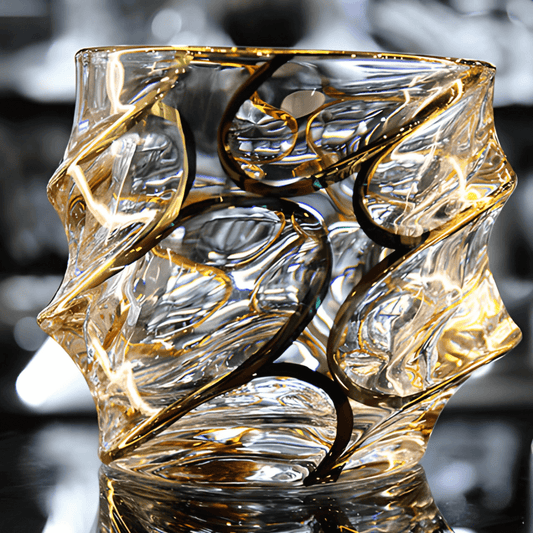
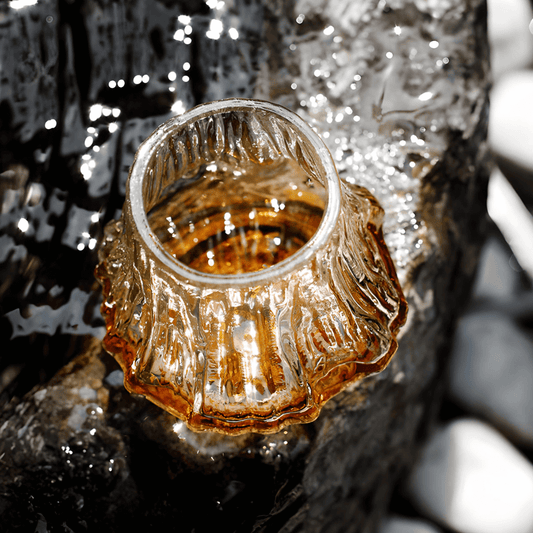
One reason artisans reach for this pattern is the way it plays with light. In the right glass, a star cut can feel like it’s glowing. There’s no color added, just clear lines and polished texture. All of it done by hand, using steps that many artists learned from older generations. The process is slow, each star needs careful attention to maintain its balanced beauty. This handwork makes each glass a little different, carrying its own marks from the skilled craftsperson behind it.
When sunlight, especially the soft light of spring, filters through a crystal glass, the Hoshi pattern turns into a living detail in the room. These facets reflect light in shifting ways, adding extra warmth and sparkle to both drinks and table settings. There is a seasonally appropriate joy that comes with holding such a glass, watching the daylight bounce inside every cut star, catching the eye and inviting quiet moments even as the world outside grows greener and brighter.
- On TsukiGlass crystal whisky glasses, the Hoshi pattern is hand-cut by artisans using Japanese Edo Kiriko or Kagami Kiriko techniques, creating detailed star-like facets that catch spring sunlight and highlight the clarity of lead-free crystal.
Why It Still Matters in Spring
In spring, people tend to clear things out, both inside their homes and their heads. The season brings a feeling of starting fresh, and that’s part of why patterns like these feel so right this time of year. There’s something about clean lines, simple shapes, and meaningful design that matches the lightness of spring.
- Glass with the Hoshi pattern feels clear, open, and grounded, perfect for slow evenings or outdoor meals
- The star-like shape reflects natural light in soft ways, making spring sunlight feel even warmer
- It reminds us that the objects we hold can feel thoughtful, not rushed, when made with care
The arrival of spring means longer days and more time to slow down or gather with others. Hoshi patterns, with their gentle brightness, turn into a fitting companion during these moments. They echo the shift in light outside and inspire a sense of balance and grace indoors. Whether used for careful celebration or a simple family dinner, the glass, and the pattern itself, become reminders that beauty and meaning can come from taking time to do things well.
Sometimes, just seeing the star pattern as you reach for your glass can bring a bit of calm on a busy evening, making it easier to pause and notice the texture in both the glass and the day itself. This attention to small, thoughtful details is what gives the pattern its lasting place in both tradition and daily living, especially as the quiet newness of spring builds.
Timeless Detail with a Story
The Japanese Hoshi pattern isn’t just something to look at. It holds a longer story, rooted in care, precision, and history, and it reminds us how long some traditions last when they’re passed along with patience. In glass, especially in crystal meant for slow sipping or quiet meals, that story adds depth.
Each small star cut carries more than just design. It shows the value of doing things well, especially when no one’s rushing. And as spring opens things back up, windows, evenings, weekends, it feels nice to see something made with that same thought in mind. Whether we’re using it or just letting the light hit it, the pattern still speaks in its quiet, steady way.
At TsukiGlass, we believe that real beauty comes from meaning, shapes and patterns that carry a sense of place and time. The quiet precision of the Japanese Hoshi pattern does just that and inspires our dedication to this timeless motif in our glasswork. Whether you’re setting out a drink on a spring evening or appreciating the craftsmanship of something well made, these thoughtful details truly matter. For more about our process or our collection, feel free to contact us.