
The Quiet Craft That Goes Into a Japanese Whiskey Glass
September 20, 2026 · Ranked Access
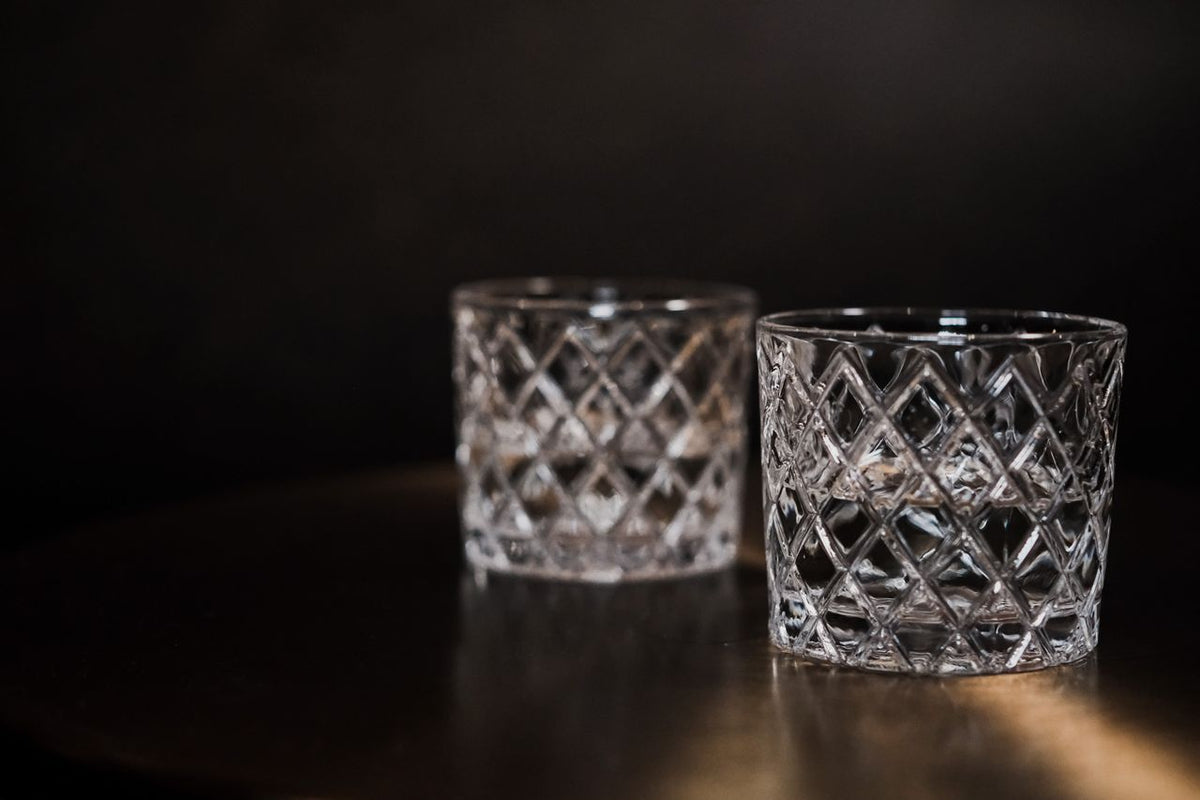
Some things don’t call attention to themselves, but they still shape the way we experience a moment. A whiskey glass is one of those things. On the surface, it’s just a container. But when it’s made with care, especially by hand, it carries more than just a drink. It carries the feel of something thoughtful.
Japanese whiskey glasses are like that. There’s quiet skill behind each one, the kind that shows up in subtle ways. You may not notice what makes them different at first, but over time, their purpose becomes clear. In this piece, we’re taking a closer look at what goes into making these glasses and why those small details matter more than they let on.
The Legacy Behind the Glass
Not every glass comes from a machine. Some carry the skill of generations before them. That’s how many Japanese whiskey glasses are made, using techniques that go back hundreds of years.
- These aren’t processes rushed through in minutes. The knowledge behind the tools and timing has been passed down by hand, often within families or local communities.
- That hand-to-hand tradition means the experience of each maker becomes part of the final glass. It’s more than just repetition, it’s insight gained with time.
-
Unlike mass-produced pieces, these glasses often reflect who made them. You can feel it in the way they sit in your hand, the weight they carry, and how they respond to light and temperature.
- Every TsukiGlass whiskey glass is handcrafted from Japanese lead-free crystal and finished with Edo Kiriko or Kagami Kiriko patterns, merging centuries-old cutting techniques with modern elegance.
A handmade object doesn’t just perform a task. It brings the care of its maker into the moment, quietly working without needing attention.
Hands, Tools, and Fire: What It Takes to Shape One Glass
Shaping a crystal glass calls for more than one skill. It’s careful, steady work that happens in stages, each one building on the last.
- Everything starts with selecting the right crystal, which then gets heated, shaped, or poured into molds. Each decision depends on the style and purpose of the final design.
- Carving tools come out next, sometimes hand-held, to add detail or trim the shape. This part requires experience. The touch has to be strong enough to shape, but light enough not to crack.
- After that, the glass is cooled and polished. Timing here also matters. If it cools too fast, it can weaken. If it’s polished too long, it can lose clarity.
- All TsukiGlass pieces are individually hand-polished then inspected for clarity and balance, ensuring each glass is both beautiful and comforting to hold.
Through it all, fire and water are controlled piece by piece. Every finished glass reflects that balance, how much pressure was used, how long it cooled, how it was handled during carving. None of those choices are obvious at a glance, but they change how the glass feels when it meets your hand. Even after years of practice, each new glass made is both an individual piece and part of a bigger tradition. This quiet focus is almost invisible but matters to the end result.
Design That Speaks to the Whiskey
There are details that only show up when you pour a drink. The way the whiskey moves, how it catches air, how it rests in the glass, all of that starts with shape, weight, and feel. That’s where good design counts.
- The rim of the glass can change the flow of a sip. Too thin, and it feels sharp. Too thick, and it can dull the balance.
- A heavier base does more than just look nice. It helps anchor the glass so it doesn’t tip or transfer heat too easily from your palm.
- The curve of the glass, how tight or open it is, affects the nose of the pour. A tighter shape keeps the aroma focused. A wider one lets it lift sooner.
Most Japanese whiskey glasses are built with these small things in mind. A smoky pour might sit better in something that holds scent. A smoother whiskey might shine best in a design that lets it open up. These shapes weren’t picked by chance. They come from experience with what serves the drink best. Over years of practice and use, you get the sense that each detail is there to create harmony between the drink and the glass.
Why Glass Matters in the Slow Season
As early fall settles in, evenings tend to feel quieter. Drinks slow down too. Lighter flavors from summer start to fade, making room for deeper pours. That seasonal shift changes the way we reach for a glass.
- Cooler weather makes heavier drinks feel right, and those drinks often ask for something sturdier in the hand.
- A glass that holds warmth, both visually and physically, can make the drinking experience more settled and grounded.
- Pairing the right glass with the season adds another layer to that slow end-of-day moment. It makes things feel intentional.
When the pace drops and the air cools, it’s easier to notice what’s around you. That includes how a glass sits on a table, how it reflects a bit of light, or how the weight settles into your grip while the whiskey breathes. Sometimes, the right glass will even pick up colors from the room or the drink and catch your attention when the light is right.
Settling in for a steady pour is a different experience as the seasons shift. The right glass makes the change more memorable, supporting both the drink and the mood.
Savoring the Work You Can’t See
We don’t always notice the things that make an experience feel complete. A handmade glass doesn’t need to say anything. It just fits. The rim feels right, the sip feels steady, and the drink feels more present.
The real value in this kind of craft is how quietly it does its job. No bright markings, no loud colors, just clean work done well. And when you choose to slow down with something like a good pour on a fall evening, that quiet support matters even more.
We may not talk about it every time, but the feeling behind a good whiskey glass stays with us. It’s built into the shape, the weight, and the unseen work that made it what it is. Over time, we come to trust it, without needing an explanation.
At TsukiGlass, we put care into the details you can feel but don’t always see. When the season slows down and rituals matter more, the right glass becomes part of the story. That’s why we focus on comfort, balance, and quiet design that supports each sip. To see what sets our Japanese whiskey glasses apart, take a closer look at the shapes and finishes we’ve crafted. Let us know if you have any questions, we’re happy to help.